West Yost Newsletter – Fall 2026
Across the Pacific Northwest and throughout the West, the work we do in water continues to evolve. Every community faces its own challenges, opportunities, and important decisions about the future. But what connects us is a shared commitment to protecting water resources and making a meaningful difference for the people who depend on them.
One of the most rewarding parts of working in this industry is the people. Behind every project, every challenge, and every decision are individuals who genuinely care about the communities they serve. There’s something special about what happens when people come together, share ideas, and work toward something bigger than themselves. It’s a reminder that while the challenges we face may change, the relationships we build and the commitment we share are what make this work so meaningful.
In this edition, we’re sharing a few stories that reflect that same spirit. From the power of collaboration and new ways of using data, to the people and projects making a difference across our region, each offers a different perspective on how we continue to learn, adapt, and move forward together.
We hope you find something here that sparks an idea, offers a new perspective, or simply reminds you of the important work we’re all part of.
- City of Medford – Innovation and collaboration in action
- Rogue River – Developments across the West
- Data Services – Turning information into insight
- On the Radar – El Nino Updates
- Team Spotlight – Meet a member of our regional team

Fall 2026 Table of Contents:
- Project Spotlight – Protecting the Rogue River, Planning for What’s Next
- Regulatory Update – Rogue River
- Industry Insights – Building the Data Foundation for What Comes Next
- Team Spotlight – Shaping a Resilient Water Future in the Pacific Northwest
- Closing Message
- The West Yost Word


Project Spotlight – Protecting the Rogue River, Planning for What’s Next
What does the future of water look like? In communities across the Pacific Northwest, it increasingly means finding smarter ways to protect waterways, making the most of existing infrastructure, and preparing for changing needs while keeping essential services reliable and affordable. Increasingly, it also means designing facilities that can adapt as regulations, technologies, and operating needs evolve.
That challenge is at the heart of the City of Medford’s Regional Wastewater Reclamation Facility Improvements Project in Southern Oregon.

This vital facility serves the City of Medford (Medford) and its surrounding Rogue Valley communities, treating wastewater before returning clean water to the Rogue River. New water quality requirements mean the facility must remove nitrogen and phosphorus to levels that meet the limit of what current conventional technology can provide.
At the same time, infrastructure originally constructed more than 50 years ago requires modernization, and the system must be ready to serve a growing region well into the future. Adding to the challenge, the regulatory picture continues to evolve, making flexibility in both the treatment process and the timing of future investments especially important.

West Yost, along with our subconsultant, Black & Veatch, is helping Medford address those challenges with a solution designed around a simple idea: before building more, optimize use of what you already have to support the project goals while also building flexibility into new infrastructure so it can be optimized in the future as technology and regulations change.
The team evaluated the facility from end to end, using modeling, alternatives analysis, and life-cycle cost evaluations to determine what new infrastructure is needed and where existing facilities can continue playing an important role. The resulting approach combines new treatment technology with existing infrastructure, allowing Medford to meet increasingly stringent water-quality requirements while making thoughtful use of the investments the community has already made. For the new treatment facilities, the Medford project team selected the five-stage Bardenpho process with conventional secondary clarifiers. This alternative had the lowest life cycle cost and is less energy and chemical intensive than some of the other alternatives that were considered. It also gives Medford something equally valuable: flexibility. By decoupling secondary treatment from future tertiary treatment, Medford can respond to future water-quality requirements without committing today to infrastructure that may ultimately not be necessary.
Rather than designing one fixed operating point, the team is building adaptability into the process itself.
The Medford project team is committed to continuous innovation to optimize facility operations. The design incorporates advanced process controls and instrumentation that will allow operators to fine-tune aeration, solids retention time, and biomass characteristics as conditions change. The facility is being designed to support both conventional aeration and low-dissolved-oxygen operation, including ammonium-based aeration control, creating opportunities to substantially reduce aeration energy and supplemental carbon use while maintaining treatment performance. Automated solids-retention-time control and surface wasting provide additional tools to improve efficiency, increase effective treatment capacity, and potentially defer future infrastructure. Rather than designing one fixed operating point, the team is building adaptability into the process itself.
The result is more than a facility upgrade. It is an investment in cleaner water, resilient infrastructure, and the long-term health of the Rogue River and the communities that depend on it. It is also an example of how thoughtful engineering can pair proven treatment processes with sophisticated controls, phased investment, and operational flexibility to create a facility that can continue evolving long after construction is complete.
For West Yost, the project reflects 30 years of partnership with Medford and the kind of forward-looking problem-solving we bring to communities facing their own next generation of water challenges.
Resources: https://wastewaterace.com/blog/bardenpho-process


The Rogue River: Protecting Water Quality for Communities and Wildlife
From its headwaters in the Cascade Mountains near Crater Lake to the Pacific Ocean at Gold Beach, the iconic Rogue River is central to life in Southern Oregon. Along its approximately 215-mile course, the river supports salmon and steelhead, agricultural production, recreation, and drinking water supplies for communities throughout the region. Maintaining its water quality is important not only for the fish and wildlife that depend on the river, but also for the communities that rely on it for drinking water.
A Wild and Scenic Treasure
In 1968, the Rogue River became one of the original eight rivers protected under the federal Wild and Scenic Rivers Act, protecting 84 miles of river known for its rugged canyon scenery and whitewater.
Rafters and kayakers navigate its famous whitewater rapids, while anglers pursue Chinook and coho salmon and steelhead. Hikers explore miles of riverside trails, and visitors enjoy wildlife viewing along the river’s remote stretches. The river’s importance, however, extends beyond its scenic beauty and recreational opportunities. Water quality is fundamental to sustaining its ecosystems and the communities that depend on it.
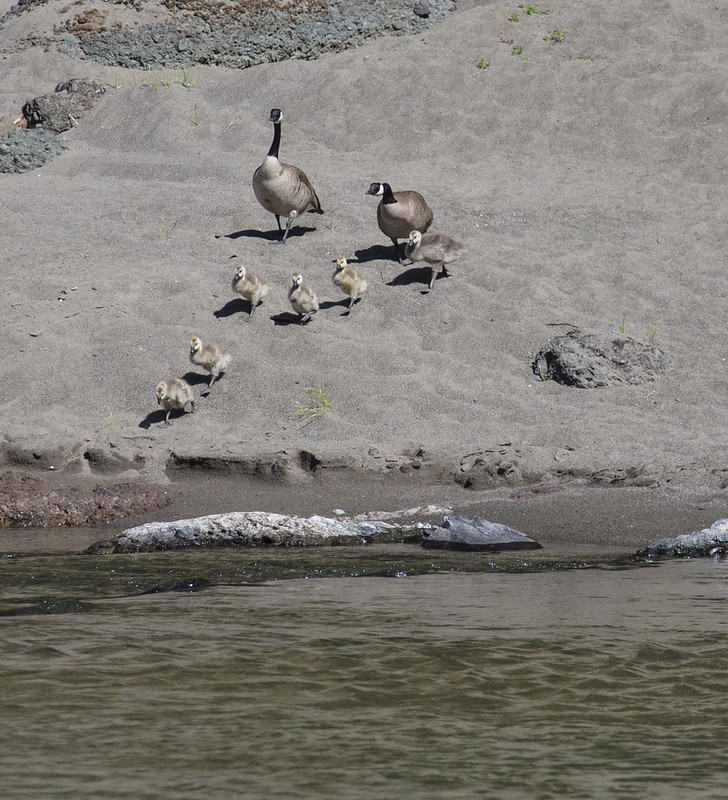

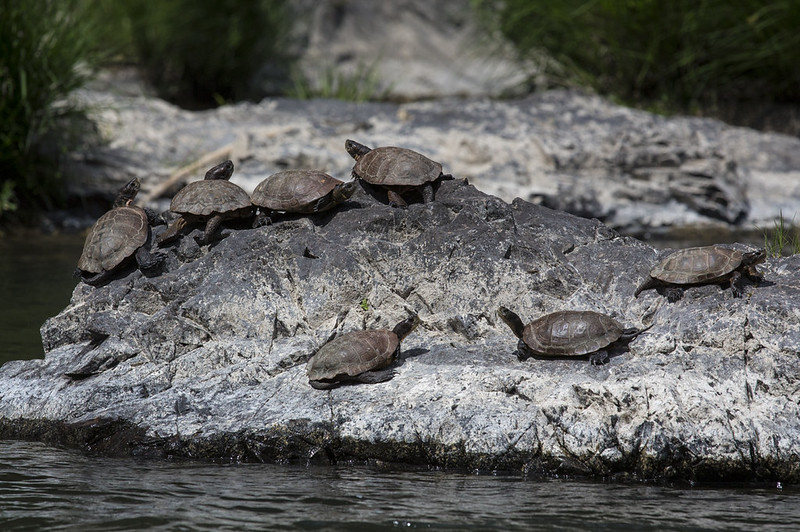
Rogue River Wildlife – Photos from Bureau of Land Management
From River to Tap
The Rogue River is also a vital drinking water source for communities throughout the Rogue Valley. Medford Water relies primarily on groundwater from Big Butte Springs, supplemented by the Rogue River during periods of higher demand, typically from May through September.
Water withdrawn from the river is treated at the Robert A. Duff Water Treatment Plant before entering the regional drinking water system. Protecting this high-quality source is increasingly important for the region’s long-term water supply reliability.
Water Quality Challenges
Water temperatures are a particular concern for the river’s health. Salmon and steelhead depend on cool water during migration, spawning, and early development. Elevated temperatures increase physiological stress, heighten disease risks, and reduce dissolved oxygen availability, creating additional challenges for aquatic life. Healthy riparian vegetation provides essential shade that helps moderate temperatures and protect habitat.
Other pressures include agricultural and urban runoff, which can introduce sediment and nutrients, and treated wastewater discharges that require careful management. Excess nutrients can promote algae growth and contribute to dissolved oxygen depletion.
Protecting the Rogue for Future Generations
Protecting Medford’s drinking water supplies begins upstream, where Medford Water works with regional partners to identify and address potential threats to source water quality across approximately 1,600 square miles of watershed in the Upper Rogue Sub Basin.
Downstream of Medford’s drinking water intake, the City is making significant improvements to its Regional Water Reclamation Facility. The project includes a new biological nutrient removal process designed to reduce nitrogen and phosphorus in treated wastewater before it is discharged to the Rogue River. These improvements will help the City meet updated environmental requirements while supporting the river’s long-term water quality.
West Yost is working alongside the City and its project partners to help deliver these improvements. The project is one example of the infrastructure investments communities are making to protect the Rogue River while continuing to meet regional water and wastewater needs.
Learn more about the Rogue River at these resources:




Industry Insights – Building the Data Foundation for What Comes Next
The amount of information available to support decisions continues to grow. This is especially true for the water industry. Operational systems, asset records, groundwater monitoring, GIS, regulatory reporting, and countless spreadsheets all generate valuable data. But having more data does not automatically make that information easier to use.
Often, data has accumulated over the years in different formats, files, and systems. Staff may spend significant time finding information, reconciling numbers, or recreating reports before they can begin analyzing what the data is telling them. West Yost’s emerging Data Services team is focused on strengthening the quality, structure, accessibility, and connections between the information organizations already have.
It starts with creating a solid data foundation and being intentional about the fundamentals.
The opportunity is not necessarily about adopting a new piece of technology. It starts with creating a solid data foundation and being intentional about the fundamentals. Is the data clean and reliable? Are naming conventions and formats consistent? Can information from different sources be brought together? Can staff access it in a useful format when decisions need to be made?
A small groundwater sustainability agency faced challenges efficiently accessing, managing, and using years of historical groundwater monitoring data, including 642 logger files stored across inconsistent formats and locations, compounded by limited shared IT resources.
Rather than introducing an entirely new data ecosystem, West Yost built around the client’s existing SharePoint environment. Automated processes were developed to clean, normalize, validate, and combine monitoring information with California Department of Water Resources data, then prepare it for analysis, reporting, and geospatial publishing.
The resulting data foundation manages approximately 10.5 million sensor observations and provides one standardized structure for groundwater and diversion analysis, reporting, and visualization. The case study estimates approximately 30% savings on recurring reporting requirements, with a minor operating cost of about $22 per month.
Examples like this provide a glimpse into where water data management is heading. As datasets grow and planning and reporting needs evolve, laying a thoughtful data foundation today can create more options for how information is connected, analyzed, automated, and used in the future.
The next opportunity may not start with collecting more data or creating new costly data systems. It may start with making better use of what we already have.
On the Radar: El Niño and Water Utility Resilience in the Pacific Northwest
As the Pacific Northwest looks ahead to the potential impacts of El Niño, water and wastewater utilities may face new challenges in managing water supplies and maintaining reliable operations. Warmer, drier conditions could reduce mountain snowpack, shift seasonal runoff patterns, and increase pressure on critical infrastructure.
For utilities across Washington, Oregon, and Idaho, these changing conditions highlight the importance of evaluating operational readiness, identifying vulnerabilities, and strengthening emergency preparedness.
With El Niño on the horizon, how prepared is your utility to navigate changing conditions and unexpected disruptions?
Read this West Yost Word article at the link below to learn more about El Nino and Water Utility Resilience.
Team Spotlight – Shaping a Resilient Water Future in the Pacific Northwest
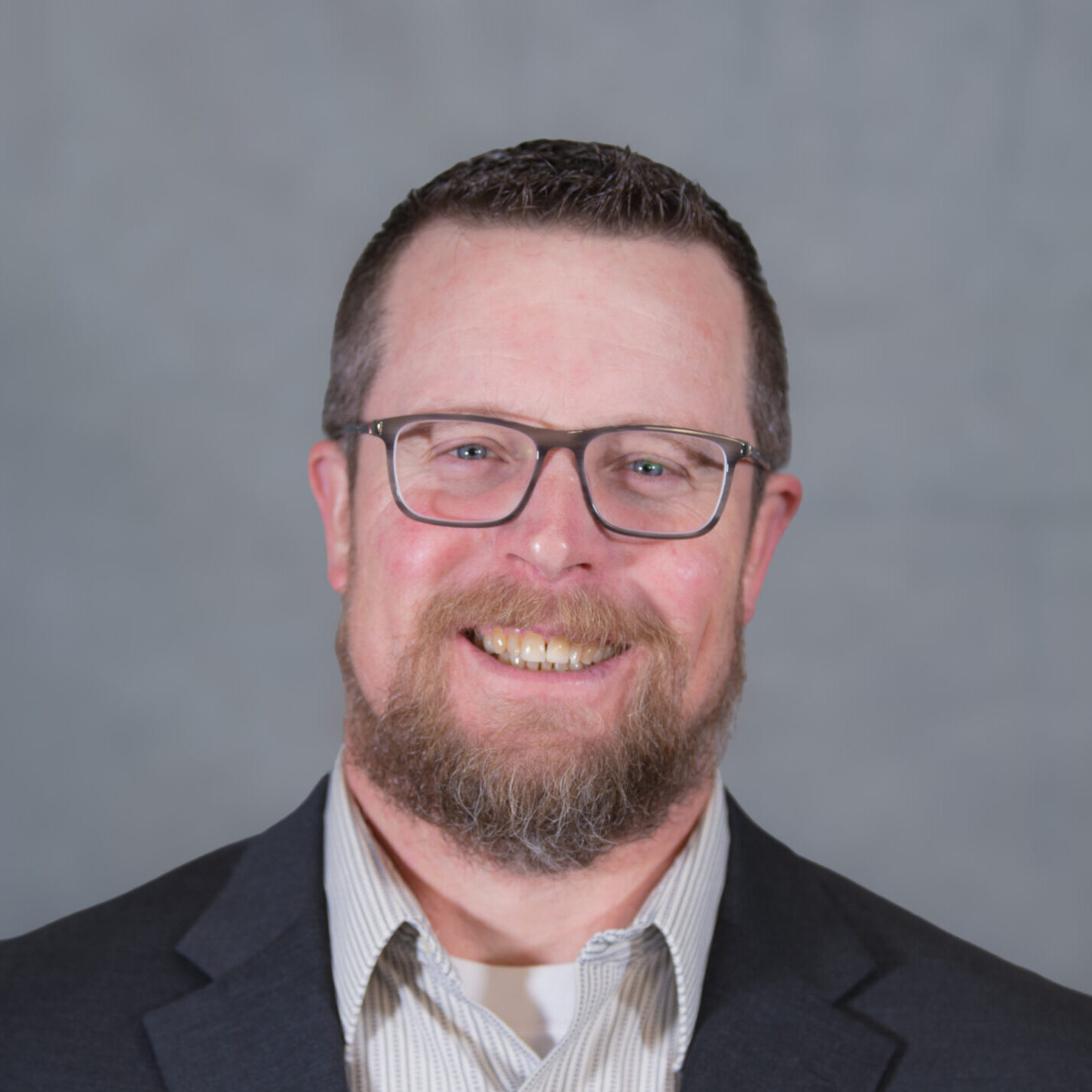
I was born and raised in Oregon’s Willamette Valley, and with the exception of about seven years working in other parts of the country, I’ve been a Pacific Northwesterner for my entire life. Growing up here has given me a deep appreciation for what makes this region unique, and for the role water plays in shaping nearly every part of it.
I have always enjoyed immersing myself outdoors. I grew up on a farm, and hiking, fishing, hunting, and camping have always been a part of my life. These experiences developed my appreciation for the natural world and instilled a lifelong sense of being at home with water-related activities. I firmly believe in our role as good stewards of our natural resources, including the critical role water, air, and land play in people’s lives. This belief led me to pursue a degree in environmental engineering at Oregon State University and a career in the water industry, where I spent nearly 25 years with various public agencies before joining West Yost.


I firmly believe in our role as good stewards of our natural resources
West Yost is growing at an exciting pace in the Pacific Northwest, with 30+ team members and two offices in Oregon. Across Oregon and Washington, West Yost teams have planned, designed, and supported construction of wastewater treatment plant upgrades for various communities; developed water and wastewater master and comprehensive plans and hydraulic models; completed resilience planning, including Risk and Resilience Assessments and Emergency Response Plans; and designed drinking water treatment, distribution, pumping, and storage improvements. We’ve also designed a wastewater collection system expansion for a remote Native American community.
In recent years, increasing demands on water resources have necessitated a shift in focus and culture in how we utilize and maintain long-term access to reliable, high-quality water. West Yost has been at the forefront in planning, design, and construction of innovative projects in the Pacific Northwest that have helped this transformation. We have an opportunity to assist communities in navigating that transition by looking at the water picture holistically and realistically.
Water is a limited, finite resource, even in historically abundant areas like the Pacific Northwest. As our communities and their needs continue to change, we will look to develop strategies, practices, and designs that balance new opportunities and demands by preserving water for future generations. The rivers, landscapes, and communities of the Pacific Northwest helped shape my lifelong appreciation for water. Through the work we do at our firm, I have the opportunity to continue shaping how water is managed and protected in the years to come.

Closing Message
I joined West Yost in April, and my first week coincided with All Staff, our firmwide professional development retreat. I was immediately immersed in the people, ideas, and energy of West Yost. At the time, it felt like I had been brought into the fold rather quickly. Six months later, I’ve come to realize that pace is simply part of what makes this firm so exciting.
As Market Strategy Manager, I have a unique vantage point across West Yost. I get to see the full range of our services, connect with teams across the firm, and hear the many perspectives that inform our work. It is a pretty remarkable place to sit. Few roles offer this kind of view into how many talented, thoughtful, and creative people come together to serve our clients and communities.
What has struck me most is how generous and collaborative our people are. Team members readily share their expertise, invite new perspectives, and look for opportunities to strengthen one another’s work. There is a sense of intention in our conversations, but also a shared understanding of what our work is ultimately about: helping our clients make sound decisions for the people and communities they serve.
It has been an energizing first six months. When I think about how much has already happened, I can only imagine what the next six will bring. I can tell you this: I’m looking forward to it!

Looking Ahead
Federal per- and polyfluoroalkyl substances (PFAS) regulations may be changing, and West Yost is tracking what this could mean for water agencies and communities. These “forever chemicals” are a large group of man-made synthetic chemicals used in industry and consumer products since the 1940s have very strong carbon-flourine bonds so they do not break down easily.
The EPA has proposed removing federal drinking water standards for several PFAS, while keeping the existing limits for PFOA and PFOS. A change in federal requirements does not automatically change state or local requirements, but it could affect how agencies approach PFAS monitoring, planning, treatment, and compliance.
As these regulations evolve, our experts are here to help communities understand what changes may mean for them, plan ahead, and make informed decisions. Stay tuned for our next West Yost Newsletter and reach out to us at any time!
The West Yost Word
Every two weeks, West Yost publishes an edition of our West Yost Word. This is a series of articles we share on our website that are written by our team members or the firm, spotlighting important innovations, industry updates, or firm celebrations.

El Niño in the Pacific Northwest: Preparing for the Unexpected with A Day Without SCADA®
By Christian Neher, PE and Jeff Hesse, PE
As El Niño brings the potential for warmer, drier conditions to the Pacific Northwest, water and wastewater utilities have an opportunity to strengthen their operational resilience and prepare for unexpected disruptions.

Built to Endure: Resilience as a Reliability Guarantor
By Andy Bochman, Resilience Strategic Lead at West Yost
Explore how utilities can strengthen resilience by identifying critical vulnerabilities, prioritizing essential services and planning for disruptions to ensure long-term reliability and faster recovery.
Resilience Is Now: A Conversation with Andy Bochman and Sunny Wescott Following ACWA’s Spring Conference
Featuring Andy Bochman, Resilience Strategic Lead at West Yost, and Sunny Wescott, Chief Meteorologist at the U.S. Department of Homeland Security.
California’s water systems are entering a new era, one where resilience is no longer a forward-looking concept, but a present-day responsibility.

We hope you enjoyed this edition of our quarterly newsletter.
Be sure to check out our Summer 2026 edition – HERE!