
West Yost Newsletter – Spring 2026

The West Yost Newsletter is our quarterly opportunity to connect more intentionally with the communities we serve. Each edition highlights a different region, offering timely insights, practical resources, and stories that reflect the challenges and opportunities shaping water in that area. Curated by our team, the newsletter is designed to share meaningful perspectives and useful knowledge to support you and your communities.
We are kicking off the year with a focus on Southern California, a region defined by innovation, resilience, and a continued commitment to sustainable water solutions.
After a winter and spring featuring dramatic hydrologic shifts between powerful storms and blazing heat waves, the California Department of Water Resources found no measurable snow on April 1 at a Sierra Nevada site where more than two feet had stood just weeks earlier. A record-breaking hot and dry March erased last winter’s snowpack, underscoring how quickly California’s water outlook can change. While most of the state is not currently in a drought, many regions are abnormally dry, and statewide snowpack is only 16% of normal levels. History reminds us that drought is not a question of if, but when. For this edition of our newsletter, we are focusing on Southern California, where growing populations and limited local supplies heighten the challenge; now is the time to prepare.
At West Yost, we view these dynamic conditions as an opportunity to strengthen long-term resilience by diversifying supplies, optimizing infrastructure, and securing funding to support sustainable growth. Proactive planning today allows communities to face tomorrow’s uncertainty.
In this edition, we explore some strategies shaping California’s water future, including:
- Recycled Water – Expanding reliable local supplies through innovation.
- Story Maps – Communicating complex initiatives through data-driven storytelling.
- Funding – Navigating state and federal opportunities to advance critical projects.
- Water Conservation – Building efficiency that lasts beyond emergency mandates.
- Asset Management – Protecting infrastructure investments through smart lifecycle planning.
We look forward to continuing to partner with you to turn today’s momentum into lasting resilience for the communities we serve.

Michael Gruenbaum
Area Market Lead – Southern California
Spring 2026 Table of Contents:
- Industry Insight – Investment in Water
- Project Spotlight – Chino Basin Story Map
- Regulatory Update – Prop 4
- Project Spotlight Water Conservation
- Industry Insight – Asset Management
- Team Spotlight
- Closing Message
- West Yost Word


Industry Insight – Investments in Water Diversification Adding 2.9 Billion Gallons
California’s strategic investments in water management are delivering measurable results. After several years of improved hydrologic conditions, capped by this past winter’s powerful storms, reservoirs are rebounding and groundwater basins are recharging across much of the state. At the same time, climate instability is intensifying, with California increasingly experiencing dramatic swings between extreme precipitation and prolonged heat and dryness. Early spring heat waves have melted critical snowpack in the Sierra Nevadas, illustrating the fragility of progress. This “weather whiplash” underscores a central reality: resilience must be built, not assumed.
In 2025, California added eight state-funded water infrastructure projects, bolstering the state’s annual drinking water supply by an estimated 2.9 billion gallons of drinking water – greater than the annual drinking water use of more than 120,000 Californians.
Securing long-term water reliability in this era of climate extremes requires strategic planning and sustained investment in diverse water supplies. Conservation remains foundational, but it is not sufficient on its own. California must continue to capture more water during wet weather events, strengthen and modernize storage capacity, and expand advanced water treatment to provide new supplies through recycling and desalination. As well as simultaneously investing in conveyance projects that get the captured water where it needs to go.
Progress is underway. In 2025, California added eight state-funded water infrastructure projects, bolstering the state’s annual drinking water supply by an estimated 2.9 billion gallons of drinking water – greater than the annual drinking water use of more than 120,000 Californians. From Orange County to the Bay Area and into the Sierra foothills, these projects include groundwater recharge, wastewater treatment upgrades, recycled water systems, and new desalination facilities, with each representing a deliberate step toward a more diversified and climate-resilient portfolio that benefits all Californians.
West Yost is proud to be a part of these transformative regional efforts. In 2025, we completed the Comprehensive Planning Study for California American Water’s Monterey District, looking ahead to 2040 to model projected demands and available supplies. The study evaluated Aquifer Storage and Recovery, expansion of recycled water through Pure Water Monterey, and desalination to identify optimized strategies for long-term reliability. The result is a data-driven roadmap that equips decision-makers with clarity and confidence. Building on these efforts, in October 2025, with a $15 million investment of state funding, Monterey One Water commissioned Pure Water Monterey’s Advanced Water Purification Facility, which will add 2,250 acre-feet of recycled water per year to water supplies on the Monterey Peninsula, via groundwater replenishment of the Seaside Groundwater Basin, benefiting more than 92,000 people.
California’s recent progress underscores that long-term water resilience is built through sustained planning, diversified supplies, and regional collaboration. Large-scale collaboration across the state allows for fixed costs to be spread over more users, reducing per-customer costs for infrastructure upgrades and operations.
By integrating conservation, storage, groundwater management, recycling, and desalination into a balanced portfolio, agencies can better manage climate variability and reduce risk. Continued innovation, data-driven decisions, and strong partnerships will help California’s water systems remain reliable and prepared to serve communities for generations to come.
Update: (The following was added after a recent April 15th Wall Street Journal article about Arizona and Nevada’s pursuit of a deal with the San Diego County Water Authority to access desalinated ocean water). San Diego County Water Authority provides another success story in long-term regional planning and water supply diversification. After an extended drought, in 1992 the authority lost a third of its water allocation, consisting mostly of imported shipments. In response, the authority invested billions to build the largest ocean-desalination plant in North America in Carlsbad, increased dam storage, constructed a water recycling plant at “Pure Water San Diego”, and acquired additional Colorado River water rights. All this, in conjunction with strong water conservation measures resulted in San Diego’s water imports dropping from 95% to 10%. And now, as the Colorado River continues to decline, San Diego may be able to trade excess water via access rights to Arizona, Nevada and other Colorado River users, helping to fund the Carlsbad desalination plant’s operation, and supplying enough water for 500,000 people.
By integrating conservation, storage, groundwater management, recycling, and desalination into a balanced portfolio, agencies can better manage climate variability and reduce risk. Continued innovation, data-driven decisions, and strong partnerships will help California’s water systems remain reliable and prepared to serve communities for generations to come.
References/Links:
- Pure Water Monterey Overview | Monterey One Water, CA
- 2.9 billion gallons of clean drinking water added to California’s supply with new investments | Governor of California
- California’s water resilience strategy shows major progress after winter storms: state out of drought, according to U.S. Drought Monitor | Governor of California
- West Yost Newsletter – Winter 2025 – West Yost

Rhodora Biagtan
Principal Engineer

Andy Smith
Principal Engineer

Project Spotlight – Chino Basin Story Map
West Yost is proud to share a recent project that perfectly captures how collaboration across our firm turns complex challenges into clear, impactful solutions. Our annual State of the Basin report for Chino Basin Watermaster began with a familiar hurdle: making a 100+ page technical report on basin conditions not only accessible but engaging and genuinely useful for a wide range of audiences.
The report’s information gained clarity without losing its substance.
Our team, led by Joe Bryant and Lucy Hedley, reimagined the report rather than simply summarizing it. The result was an interactive, visually rich Story Map that brought together complex data, detailed analysis, and spatial mapping in a streamlined online experience. Technical audiences can still dig into the depth and rigor they need, while members of the public can explore basin conditions in a way that feels intuitive and approachable. The report’s information gained clarity without losing its substance.
What made this project especially meaningful was how many sectors came together to make it happen. Experts from our Stormwater and Groundwater, GIS, and Communications teams collaborated closely from start to finish. Technical specialists confirmed accuracy and credibility, while GIS and data experts translated that information into compelling visual narratives. Our Communications team helped shape the story itself, making the final report both engaging and informative.
In addition to positioning West Yost to further support Chino Basin Watermaster as they expand their use of ArcGIS Online for ongoing data collection, analysis, and visualization, the project opened the door to new possibilities as West Yost leverages lessons learned and deployment of this technology in future work with our clients!
The Chino Basin Map project is a strong reminder of how West Yost excels working across sectors. When we collaborate, complex work becomes clearer and more impactful, for both our clients and the communities they serve.

Joe Bryant
GIS Manager

Lucy Hedley
Associate Scientist

Regulatory Update – Funding
California’s Proposition 4 Climate Bond – Investing in Stormwater for Climate Resilience
California’s Proposition 4 Climate Bond will invest $10 billion in climate resilience, water security, and natural resource protection projects across the state. As the largest climate and water bond in California’s history, it aims to address the impacts of climate change, including wildfires, droughts, floods, sea level rise, extreme heat, and biodiversity loss.
With its emphasis on multi-benefit projects, Proposition 4 creates significant funding opportunities for municipalities and water agencies pursuing projects at the intersection of water and climate resilience.
One key nexus is stormwater management, which supports multiple climate priorities, including flood mitigation, drought resilience, groundwater recharge, water supply reliability, urban greening, and habitat protection. California’s Water Supply Strategy identifies increased stormwater capture as a critical component of the state’s water resilience portfolio.
Funding for Multiple-Benefit Stormwater Projects
Proposition 4’s Stormwater Grant Program (SWGP), administered by the State Water Resources Control Board (SWRCB), will provide approximately $100 million for multi-benefit urban stormwater projects. Eligible applicants include public agencies, local agencies, nonprofit organizations, special districts, joint powers authorities, Tribes, public utilities, and mutual water companies.
Draft SWGP guidelines are anticipated in May for public comment, with Board adoption expected in August 2026.
Eligible projects must address flooding in urbanized areas while delivering multiple benefits, with preference given to natural infrastructure approaches. Examples include stormwater capture and reuse; planning and implementation of low-impact development; restoration of urban streams and watersheds; and increasing permeable surfaces to reduce runoff and flooding. Projects must also be included in a Stormwater Resource Plan that has received concurrence from the SWRCB.
Draft SWGP guidelines are anticipated in May for public comment, with Board adoption expected in August 2026. The funding solicitation is projected to open in fall 2026 through early 2027.
Beyond the SWGP, other Proposition 4-funded programs may support multi-benefit stormwater projects. For example, the California Natural Resources Agency’s Urban Greening Grant Program will allocate $100 million for projects that mitigate urban heat island effects, rising temperatures, and extreme heat impacts. The concept proposal solicitation for this program is expected to open in May 2026.
Additionally, the California Department of Water Resources will offer funding in upcoming fiscal years for programs focused on regional watershed resilience, groundwater sustainability, flood management, urban stream restoration, and related efforts. Program guidelines are currently under development.
Prepare for Funding Success
Although program guidelines are still under development, now is the time to position your stormwater project for success.
Consider the full range of benefits your project may provide. In addition to stormwater capture, can it support treatment, reuse, infiltration, recharge, or flood control? Does it incorporate green or natural infrastructure? Will it enhance recreational space, improve public health or safety, or benefit disadvantaged communities or vulnerable populations?
Strategic refinements, such as adjusting project scope or forming regional partnerships, can strengthen competitiveness by broadening project impact. Cost-effectiveness and project readiness will also play important roles in scoring.
Our West Yost Funding Team understands that strategic funding planning is essential to securing grant funding. Our team works alongside clients to prepare competitive applications, pursue funding opportunities, and deliver critical projects that build community resilience.
Stay tuned for updates. We are actively monitoring Proposition 4 grant programs and will continue to provide guidance as new opportunities emerge.

Hawkeye Sheene
Senior Funding & Communications Specialist

Project Spotlight- Water Conservation
A series of powerful winter storms interspersed by recent spring heat waves have made clear that climate instability is increasing. Intense precipitation may quickly give way to renewed dry periods. The conservation measures that helped California through its most recent drought remain essential to long-term water security, especially as the state moves toward tighter efficiency standards in 2030.
Two decades ago, the state of California faced projections of explosive population growth and shrinking supplies. Since then, conservation has quietly transformed the landscape. Per-capita water use has dropped dramatically. Lawns have given way to climate-appropriate gardens. High-efficiency fixtures are standard. What once felt like emergency measures are now everyday habits.
That success, however, introduces new complexity. Lower demand means less revenue to maintain aging infrastructure. Reduced indoor use decreases wastewater flows, limiting recycled-water production. And while rain has helped, much of Southern California still relies heavily on imported supplies from the Colorado River. Northern California also remains under continued stress as it balances multi-benefit water use objectives, including fishery and wildlife habitat, national food production, and municipal and industrial use.
Agencies like Walnut Valley Water District (WVWD) illustrate the next chapter of conservation. Serving nearly 100,000 residents in Southern California’s San Gabriel Valley, WVWD imports its potable supply through Metropolitan Water District of Southern California through Three Valleys Municipal Water District, hundreds of miles from the Colorado River and the State Water Project.
For non-potable needs, WVWD relies on a recycled water system supplied by the Los Angeles County Sanitation Districts’ Pomona Water Reclamation Plant effluent and local groundwater wells. WVWD now delivers more than fifteen percent of its total demand as recycled water during a typical summer, including vital efforts like wildfire and emergency response.
Through the Puente Basin Water Agency, WVWD and Rowland Water District coordinate infrastructure and explore recycled-water interties to balance surpluses and shortages. Similar collaboration is emerging in the Spadra, Six Basins, and Main San Gabriel groundwater basins.
In August 2025, WVWD announced its strategic partnership with Heli–Hydrant, a system that provides a quick‑fill water supply for helicopters, enabling rapid aerial firefighting operations. Under this first‑of‑its‑kind arrangement, WVWD’s Heli‑Hydrant system is connected to the District’s Industry Business Center Reservoir, which was completed in 2022. WVWD’s reservoir and Heli‑Hydrant infrastructure are now able to support the Los Angeles County Fire Department and other first‑responder agencies when wildfire conditions or other emergencies require a rapid aerial water source.
The Heli-Hydrant and many other partnerships are enhancing these resiliency efforts. Through the Puente Basin Water Agency, WVWD and Rowland Water District coordinate infrastructure and explore recycled-water interties to balance surpluses and shortages. Similar collaboration is emerging in the Spadra, Six Basins, and Main San Gabriel groundwater basins. West Yost has been proud to lead the development of a comprehensive Groundwater Management Plan for the Puente Basin and Groundwater Sustainability Plan for the Spadra Basin.
As California moves toward even tighter efficiency targets in 2030, the lessons from agencies like WVWD’s show that conservation remains the foundation, but resilience will depend on how effectively agencies pool resources, share infrastructure, and learn from one another. Even in wet years, Southern California’s resilience depends on the habits and partnerships built during dry ones.
Learn more about our water conservations efforts in Southern California in this West Yost Word article: https://www.westyost.com/water-conservation-in-southern-california-resilience-through-collaboration/

Veva Weamer
Principal Scientist


Industry Insight – Asset Management
When a water main ruptures in the middle of the night, the immediate response reveals more than a maintenance issue; it reflects how effectively a utility understands and manages the condition of its infrastructure.
Many utilities rely on computerized maintenance management systems (CMMS) to organize work orders, track repairs, and schedule preventive maintenance. These systems capture valuable operational data, including failure history, repair costs, labor efforts, and inspection results. That information represents a real-time snapshot of asset condition and performance. However, a CMMS on its own is a tool, not a strategy.
Strategic asset management takes a broader, long-term view. It defines data needs, service expectations, evaluates risk, and guides long-term investment decisions for aging pipes, pumps, and treatment facilities. It asks not only what failed, but also why it failed, what the impact was, and what similar assets may be at risk next.
A well-implemented CMMS strengthens that strategy by turning maintenance records into actionable insight. Failure patterns, cost trends, and condition data can inform risk models, refine preventive maintenance strategies, and support decisions about repair versus replacement. This shift enables utilities to move from reactive response to proactive planning.
Technology alone cannot set priorities or determine acceptable risk. These decisions require leadership, policy alignment, and clear organizational goals and standard operating practices. Utilities that integrate CMMS data into capital planning and performance reporting gain the greatest benefit.
Asset management is the strategy that safeguards reliable water service. A CMMS is a critical tool, and it delivers its greatest value when guided by a clear, organization-wide asset management plan.
To learn even more about our asset management offerings, read this West Yost Word article: https://www.westyost.com/how-cmms-strengthens-strategic-asset-management-for-water-utilities/
West Yost is planning to host an asset management workshop this fall. If you are interested in learning more or participating, please contact Rachel Schonwit.
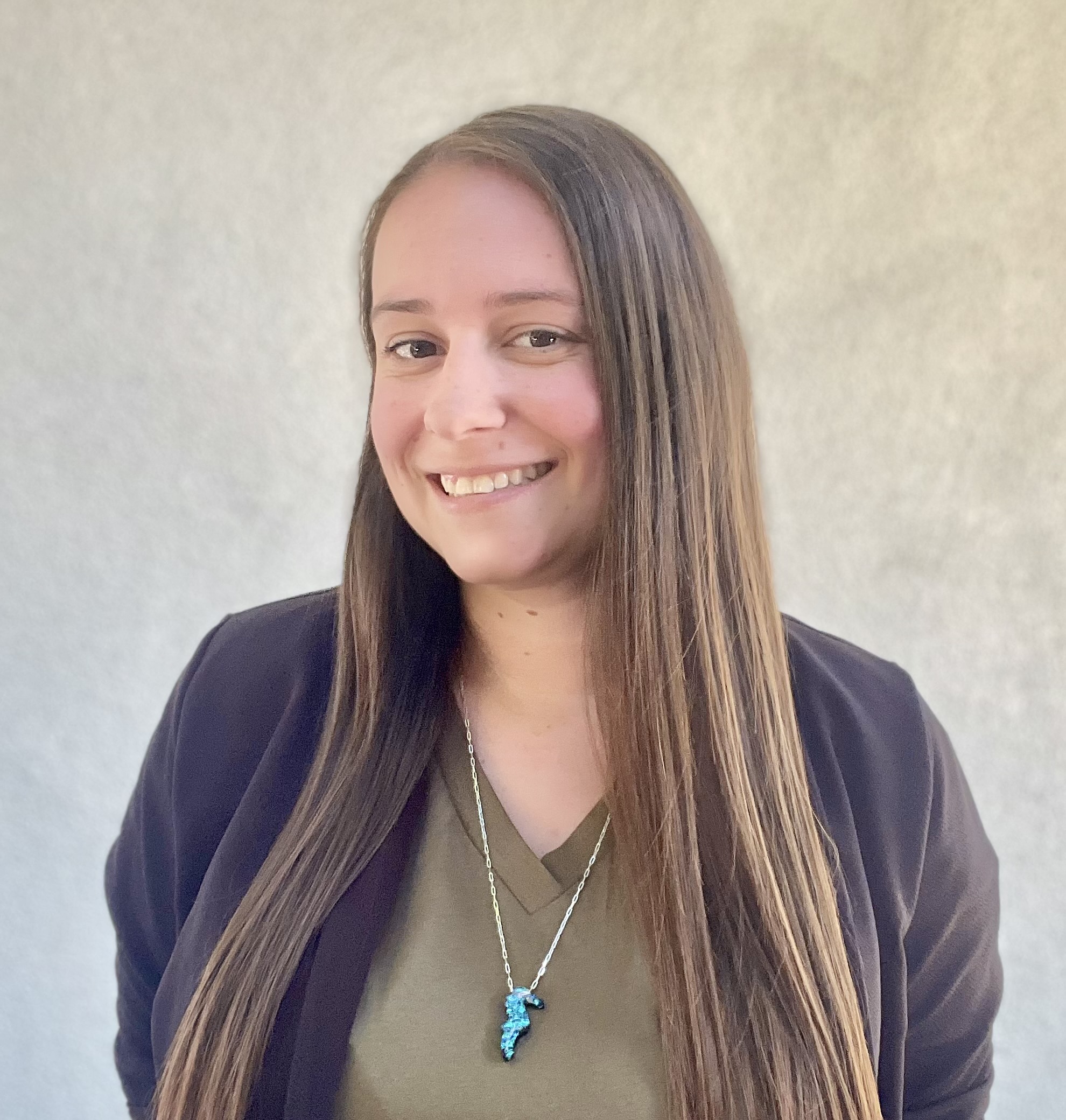
Rachel Schonwit
Asset Management Technical Specialist
Team Spotlight: Sodavy Ou

Sodavy Ou (Associate Scientist) brings eight years of experience in groundwater management, salt and nutrient planning, and regulatory compliance to West Yost’s Irvine, California office. With a strong foundation in environmental science and regulatory assessment, she helps agencies develop and implement regulatory solutions to complex water quality challenges and support long-term management of valuable water resources.
Sodavy has played a key role in developing and implementing Salt and Nutrient Management Plans (SNMPs) that support recycled water use while protecting groundwater resources. Most notably, she has been supporting the Elsinore Valley Municipal Water District (EVMWD) and Eastern Municipal Water District (EMWD) with the implementation of the Upper Temescal Valley (UTV) SNMP since the adoption of the UTV SNMP into the Water Quality Control Plan for the Santa Ana River Basin (Basin Plan) in 2018. The UTV SNMP established scientifically based total dissolved solids and nitrate-nitrogen objectives and comprehensive management strategy to protect the beneficial uses of the water resources in the UTV basin.
Building on the SNMP work, Sodavy leads monitoring, data analysis, and compliance reporting efforts for agencies such as EVMWD, EMWD, and Chino Basin Watermaster. Her work included advanced data analysis, development and implementation of comprehensive surface and groundwater monitoring programs, and ensuring that her clients maintain regulatory compliance with regional regulators. She manages large datasets, prepares detailed technical exhibits, and ensures reports meet strict Basin Plan requirements, all while maintaining strong relationships with clients and regulatory staff.
Known for her analytical rigor and collaborative approach, Sodavy helps agencies make informed, defensible decisions about water resource management. Her work reflects West Yost’s commitment to technical excellence, regulatory leadership, and sustainable water solutions for the communities we serve.

Closing Message
I am at West Yost because I believe in thoughtful, science-driven water management and in the people behind the work. While California is not currently in a drought, we know future dry cycles are inevitable. Resilience is built now, through proactive planning, diversified supplies, and strong regional partnerships.
Across Southern California, our team is helping agencies prepare for what’s ahead. We are developing defensible Salt and Nutrient Management Plans that protect groundwater quality while supporting recycled water reuse, advancing long-term recharge strategies in basins like Chino, guiding collaborative Watermaster efforts in adjudicated basins, and much more. Through our work, West Yost remains focused on practical, forward-looking solutions.
This work reflects what we’ve long believed: that being a leader in water resources is not just about the projects we deliver, but about the values we live every day. At West Yost, that means integrity, technical excellence, and a commitment to helping our clients navigate complexity with confidence. And a personal favorite, we do it with joy.
Thank you for trusting West Yost as your partner. In wet years and dry years alike, we are here to build resilient water futures with you.

Carolina Sanchez
Senior Engineer
The West Yost Word

Every two weeks, West Yost releases an edition of our West Yost Word. This is a series of articles we share on our website that are written by our team members or the firm, spotlighting important innovations, industry updates, or firm celebrations.

Growing with Purpose: West Yost Launches in Nevada
Jonathan Lesperance, Principal Engineer, Nevada Geographic Expansion Lead & Charles Duncan, President and CEO
Opening a new office often signals growth.
For West Yost, it signals something more deliberate: a decision about where we can contribute in a meaningful and lasting way.

West Yost Expands into Nevada with Local Water Leadership
By Abigail Madrone, Business Development Director, Vice President
West Yost’s expansion into Nevada reflects our long-term commitment to West Yost’s expansion into Nevada reflects our long-term commitment to building strong, water-focused leadership and partnership across the West. As we continue expanding our presence, we are focused on building strong local leadership rooted in technical excellence and long-term commitment to the communities we serve.
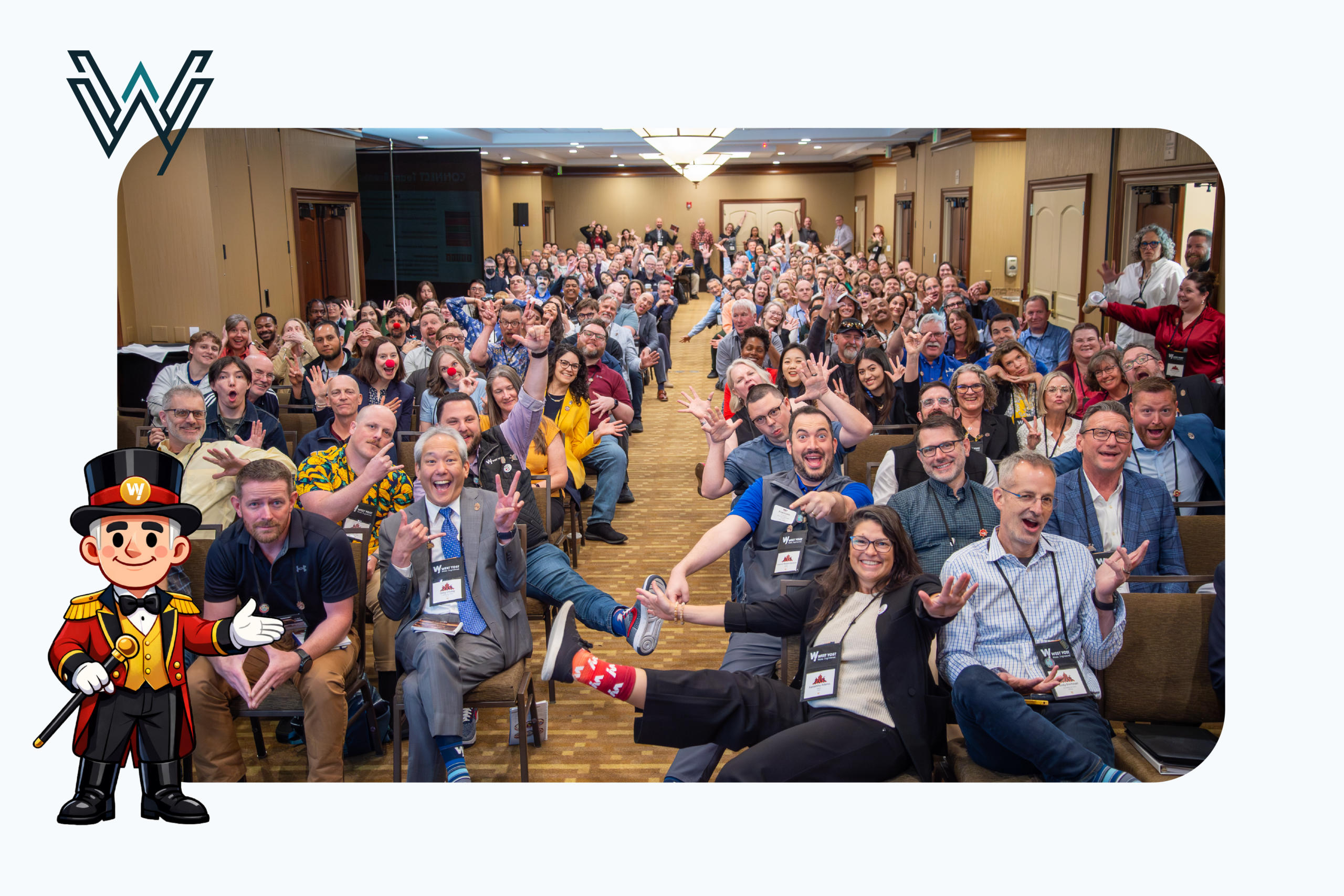
Step Right Up: How All Staff 2026 Brought West Yost Together
By David Garrison, Brand & Communications Manager
There is a moment at every All Staff when it becomes clear this is not just another internal event. It is something more intentional. More human. More reflective of who we are as a firm.

We hope you enjoyed this edition of our quarterly newsletter.
Be sure to check out our Winter 2025 edition – HERE!