
Groundwater
Holistic, Sustainable Solutions for the Future
West Yost’s Groundwater and Stormwater Business Sector is comprised of geologists, scientists, and engineers who support clients in the planning, design, and implementation of programs and facilities that optimize the use of groundwater within their water supply portfolios to achieve their long-term goals for quantity, quality, and conjunctive management of all available water resources. Our stormwater group, now integrated with groundwater stands as a leader in stormwater system planning, regulatory compliance, and the design of essential storm system improvements, flood plain management and water quality. These teams, together, form a robust group of planners, modelers, and specialists.
This team oversees long-term management plans in compliance with the California Sustainable Groundwater Management Act (SGMA) and adjudicated basin judgments, including leading Groundwater Sustainability Agencies and Watermaster entities. They conduct groundwater and stormwater modeling and hydrogeologic studies, design monitoring programs, and develop regulatory compliance plans for recycled water reuse. Additionally, they provide expertise in well design and field services, supporting clients with monitoring activities regularly.
Our groundwater & Stormwater resources team offers a full-service approach, including:
- General consulting in the areas of water resources, hydrology, and hydrogeology
- Studies and planning
- Modeling
- Regulatory and permitting assistance
- Designs for well rehabilitation, new municipal wells, and ASR wells
- Watermaster services
- Funding assistance
- Construction phase services
- Operations and maintenance (O&M)
- Optimization of existing systems
- Groundwater management plans
- Development and application of numerical models to evaluate the hydrologic and water quality response of ground and surface waters
- Recharge master plans and managed aquifer recharge projects
- Salt and nutrient management plans
- Development and implementation of monitoring plans for surface water, groundwater, and land subsidence
- Development and implementation of data‐management systems
West Yost brings the value of understanding and knowledge gained from groundwater regulatory compliance with the Sustainable Groundwater Management Act (SGMA) and Groundwater Sustainability Agency (GSA) formation; groundwater modeling and aquifer evaluations; and planning and design of facilities that best meet your long-term goals of quantity, quality, and conjunctive use supply strategies. In addition, West Yost staff apply construction and O&M knowledge to the design process to improve construction document quality and reduce construction risks, costs, and delays.
Project Highlights
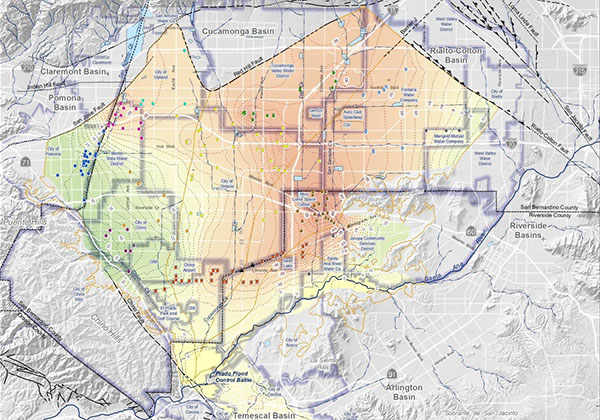
Development and Application of High-Resolution Models to Recalculate the Chino Basin Safe Yield and Follow-on Model Applications
Chino Basin Watermaster
The Chino Basin adjudication was settled in 1978 through a stipulated agreement. Through other agreements, the Chino Basin Watermaster was required to recalculate the safe yield and other hydrologic items in 2011. Our groundwater team developed and implemented a methodology based on scientific principles and detailed numerical models to develop a complete hydrologic description of the Chino Basin over the 1960-2011 calibration period and the 2012-2071 planning period.
Colusa Subbasin Groundwater Sustainability Plan and SGMA Technical Support Services
Colusa Groundwater Sustainability Agency and Glenn Groundwater Sustainability Agency
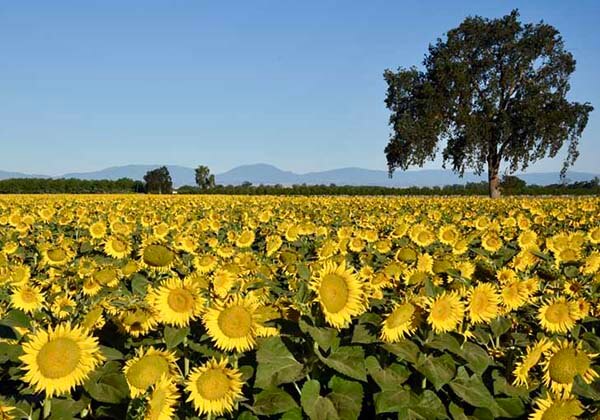
At nearly three-quarters of a million acres, the Colusa Subbasin is the largest groundwater basin in the Sacramento Valley and the eighth largest in California. Building on our years of experience with groundwater in the Sacramento Valley, West Yost has become a valued member of a multi-consultant team responsible for development of the Groundwater Sustainability Plan (GSP) for the Colusa Subbasin. We are involved in all aspects of GSP development, including engaging with stakeholders and the public, and have the primary responsibility for producing the GSP for the Colusa Groundwater Sustainability Agency (GSA) and Glenn GSA.
Coachella Valley Salt and Nutrient Management Plan
Water and Wastewater Agencies of the Coachella Valley
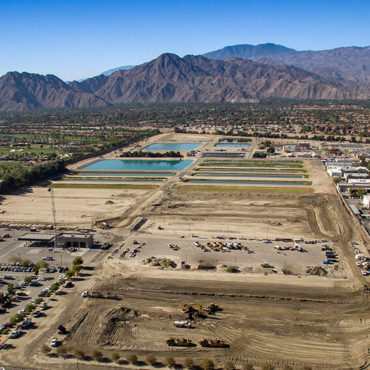
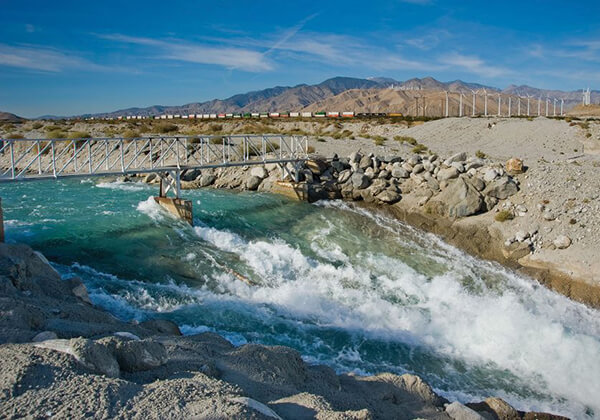
The Coachella Valley is a large and growing region in arid southern California. Its water supply primarily comprises the underlying groundwater basin, surface water imported from the Colorado River, and recycled water. These water supplies are facing threats and challenges from climate change, groundwater overdraft, and water-quality degradation.
In 2020/21, the water and wastewater agencies in the Coachella Valley (CV) that are responsible for developing a Salt and Nutrient Management Plan (SNMP) for the groundwater basin (CV-SNMP Agencies) hired West Yost to lead a multi-stakeholder effort, including the Regional Board staff, in the development of the CV-SNMP Workplan. The Workplan included a Groundwater Monitoring Program Workplan and was approved by the Regional Board in October 2021.
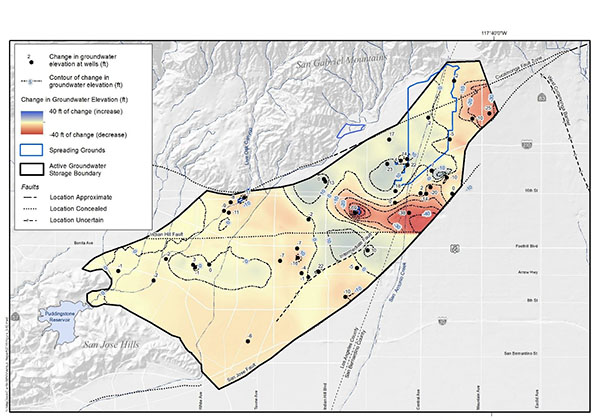
Watermaster Services for Water Rights Compliance and Groundwater Management
Six Basins Watermaster
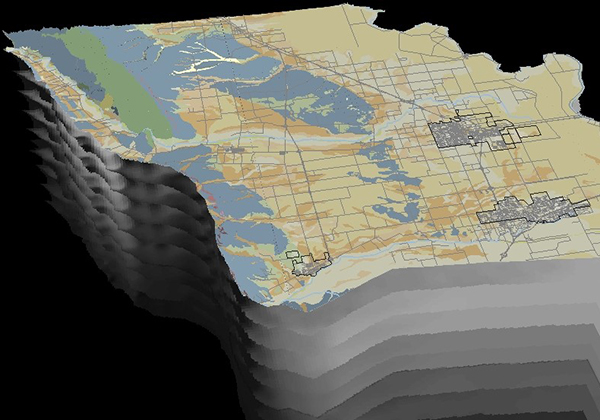
The Six Basins are a group of adjacent groundwater sub-basins located in Eastern Los Angeles and Western San Bernardino Counties. The pumping rights from the Six Basins were adjudicated in 1998 through a stipulated judgment, which established the Six Basins Watermaster (Watermaster) to implement the Judgment..
Planning, Permitting, Design and Testing Services for Aquifer Storage and Recovery (ASR)
City of Woodland and Woodland-Davis Clean Water Agency (WDCWA)
West Yost has supported the City of Woodland’s (City) Aquifer Storage and Recovery (ASR) Program since 2010, conducting services directly for the City and for the WDCWA. Under the ASR program, the City is implementing a comprehensive ASR program to help address its water supply needs during periods of water right curtailments, peak demand conditions, and/or drought periods.
During the initial phases of the work, West Yost conducted feasibility assessments of alternative water supply sources to supplement a planned surface water supply from the Sacramento River. ASR was identified as the most feasible, least-cost alternative and a Work Plan for ASR Program development was prepared.
Monitoring for Impact of Groundwater Management Plans on Critical Riparian Habitat
Chino Basin Watermaster and Inland Empire Utilities Agency
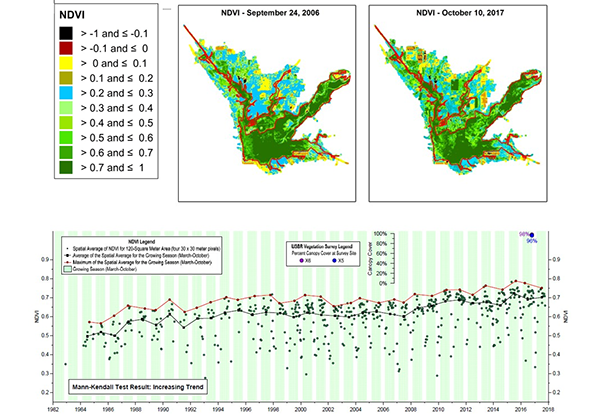
The Chino Basin is a large alluvial groundwater basin in Southern California with storage exceeding five million acre-feet. Groundwater in the Chino Basin generally flows from the forebay regions in the north towards the Prado Flood-Control Basin in the south (Prado Basin).
Team Spotlight
Our groundwater experts include specialists in geology, hydrogeology, engineering geology, civil engineering and water treatment plant operators. We provide over 150 years of combined experience. Meet some of our team below and on our project pages.

Samantha Adams
Groundwater Business Sector Leader
Samantha Adams
Groundwater Business Sector Leader
“Our work at West Yost is a meaningful contribution to addressing the challenging issue of water reliability in California. I love collaborating with our team of geologists, scientists, and engineers to develop and implement creative regulatory and management solutions. While the challenges our clients face are similar, they each have unique and interesting problems and perspectives that make every project exciting.
The Upper Temescal Valley Salt and Nutrient management Plan (SNMP) for both Elsinore Valley Municipal Water District and Eastern Municipal Water District, is a project I began in 2013 and it has finally completed. The Regional Board approved a basin plan amendment to incorporate into the new management plan. I am really proud that I could lead a team that provided a very creative regulatory solution and saved our clients a lot of money. I enjoyed being part of the team that negotiated the solution with regulators and led the technical work, which contributed to the evolution of the methods over time. I also led the successful stakeholder process.

Ken Loy, PG, CEG, CHG
Hydrogeologist
Ken Loy, PG, CEG, CHG
Hydrogeologist
“I enjoy working with our clients and developing an internal West Yost team that can provide the solutions each client needs. We have the right resources on the Groundwater team. Our strength is that in addition to hydrogeology we have the ability to draw upon many internal resources for civil and mechanical engineering. We also have a pool of experts with whom we have built long, trusted relationships for whatever water needs arise. I find it rewarding to work with our clients to develop the best, customized team for each project.
I am proud of working on multidisciplinary teams to meet the variety of project needs for our longstanding clients, such as the City of Modesto. We are able to meet their needs at any moment. We have provided a variety of planning, modeling, design, and construction management services for several departments, including water and wastewater services, over a long period of time. I enjoy the fact that what I do related to groundwater is part of a bigger picture for their water and wastewater services. They have provided us with excellent feedback and appreciated our performance. I have also conducted three different well trainings for City of Modesto, in addition to AWWA and City of Redding.”
Available Positions
Senior Hydrogeologist
Posted
The Senior Hydrogeologist will have the desire to drive our capabilities to new heights by working directly with clients and team members to grow our practice.
Associate – Senior Geologist
Posted
West Yost is seeking an engineer, scientist or geologist with water resources planning experience interested in developing innovative solutions to challenging groundwater-related projects and managing successful project teams.